
Services
Custom On-Site Crating
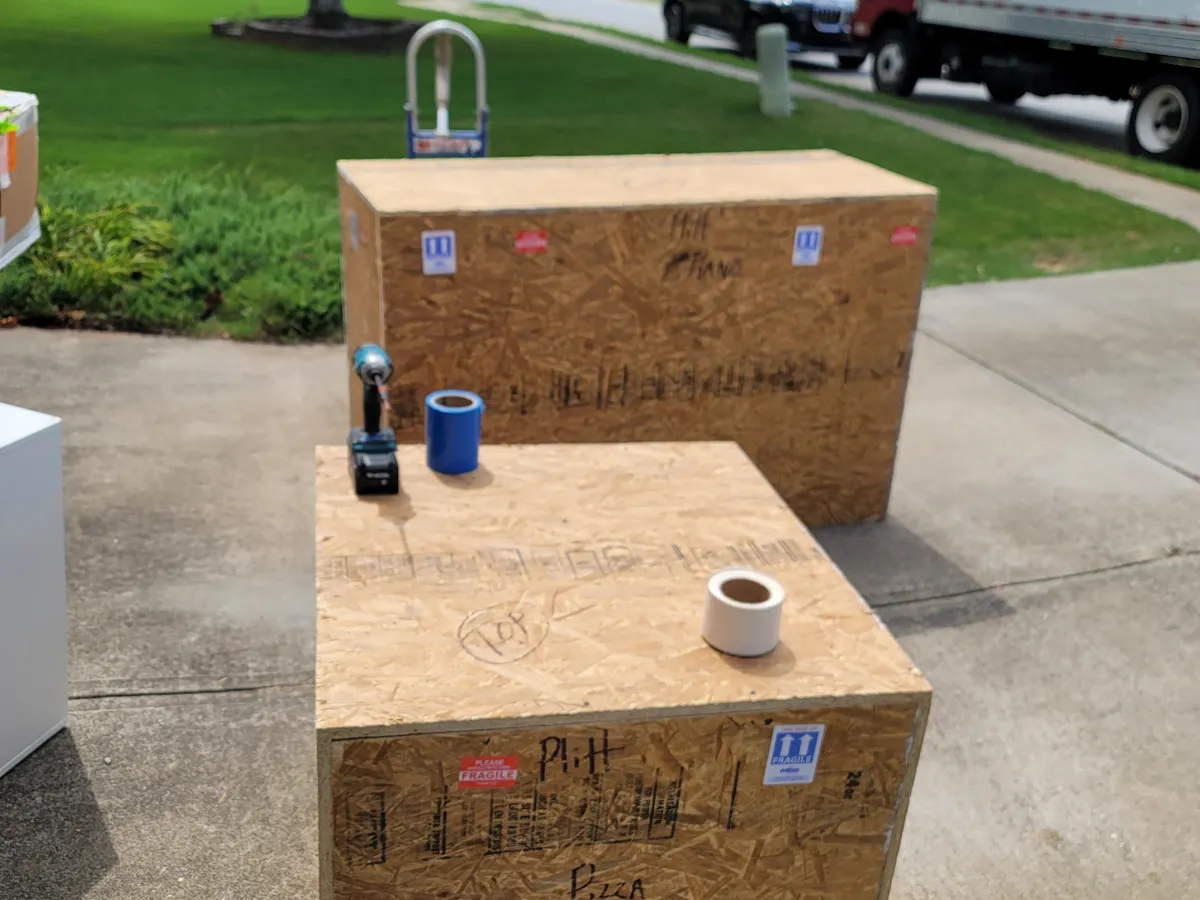
A custom crate is a wooden box measured, cut and built around one specific piece, with the interior blocked and braced so nothing inside can move. We build them at your address or at our shop, for fine art, antiques, mirrors, pianos, sculpture and machinery. It is the work we do that almost nobody else in this market offers.
Built around the piece, not near it
We measure, cut and build at your site so the crate fits the item rather than the item having to survive the crate. Most of our crates can be reused for storage or a return trip.
What’s included
- Crates built on site or at our shop
- Fine art, gallery pieces and heavy mirrors
- Pianos - keys locked, disassembled and crated
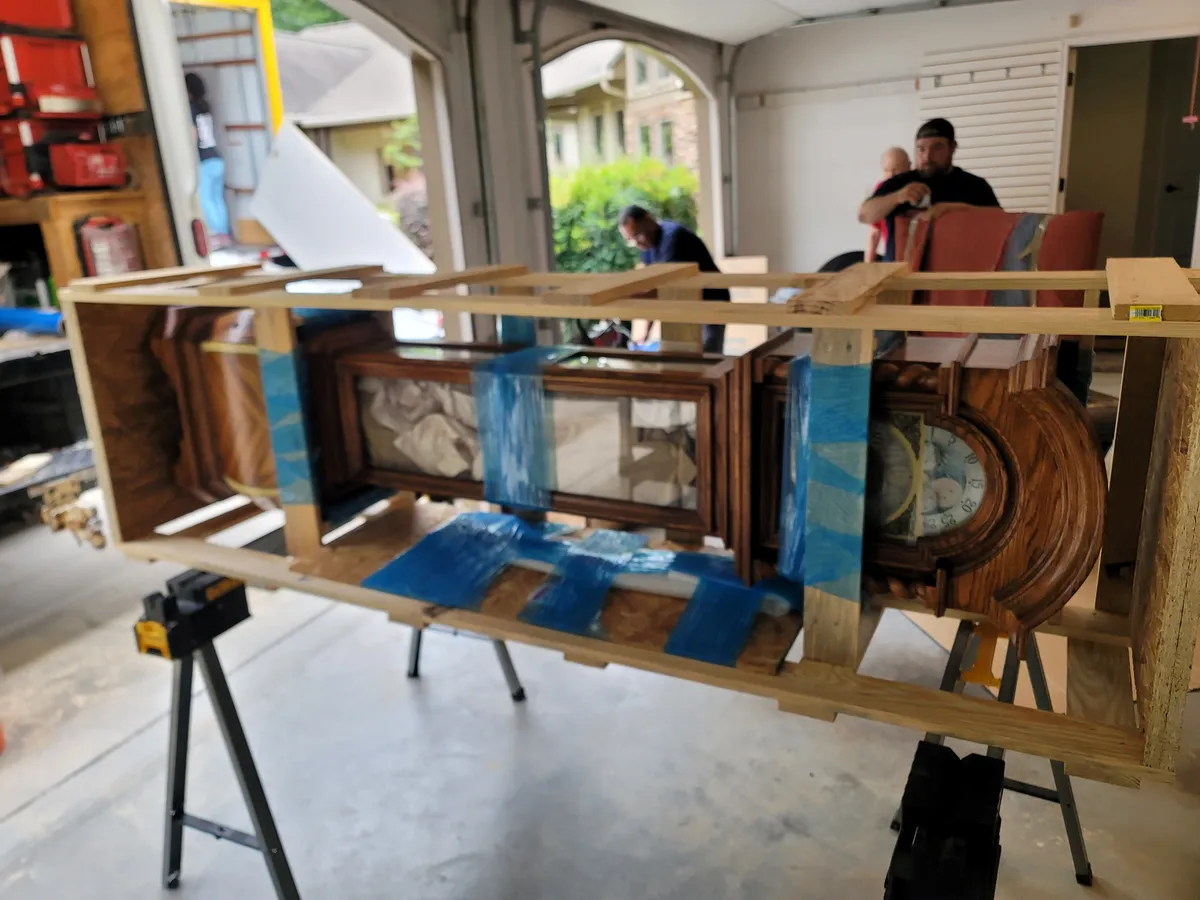
- Grandfather clocks - internals packed, movement stabilized
- Antiques, sculpture and oversized or odd-shaped items
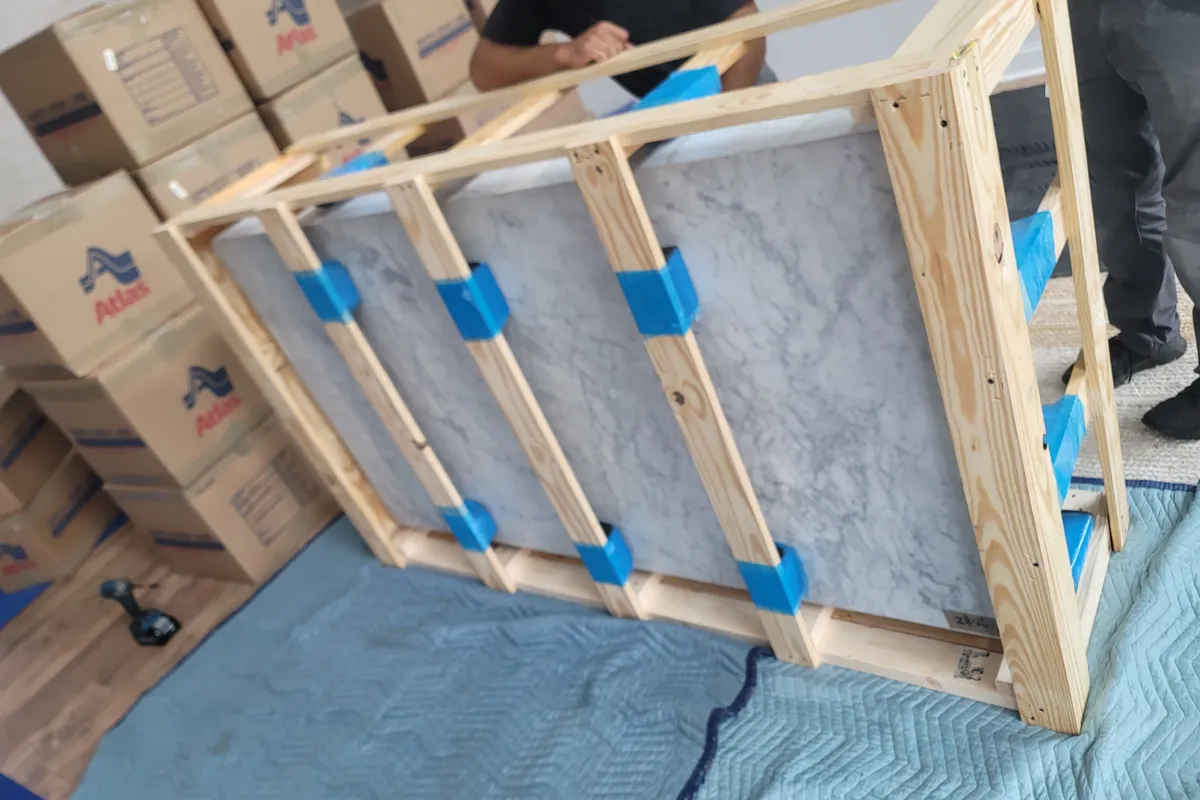
- Marble, glass and stone tops braced against flex
- Full interior packing and blocking, not just the box
- Crates marked and staged for the carrier
How it goes
Step 1
Measure and frame around the piece where it stands
Step 2
Block the interior so nothing can shift
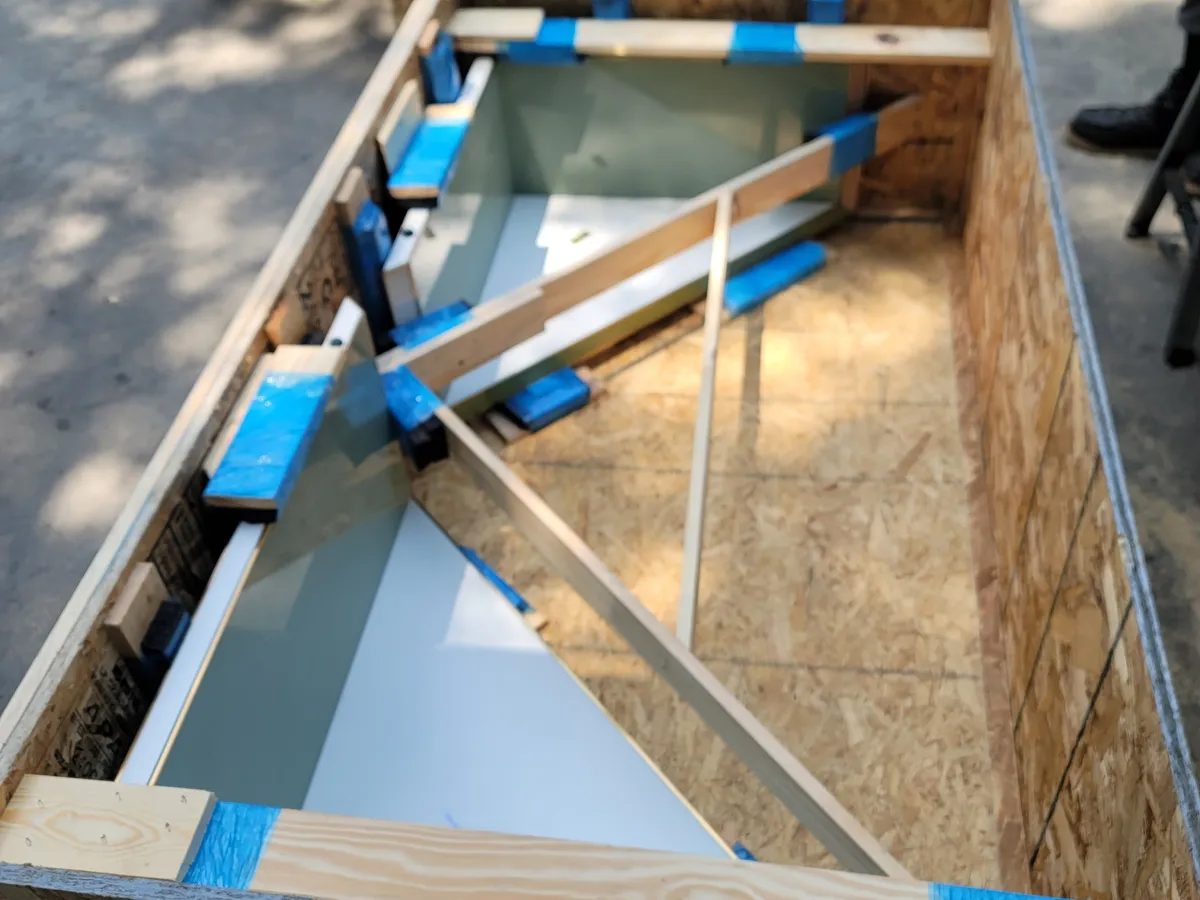
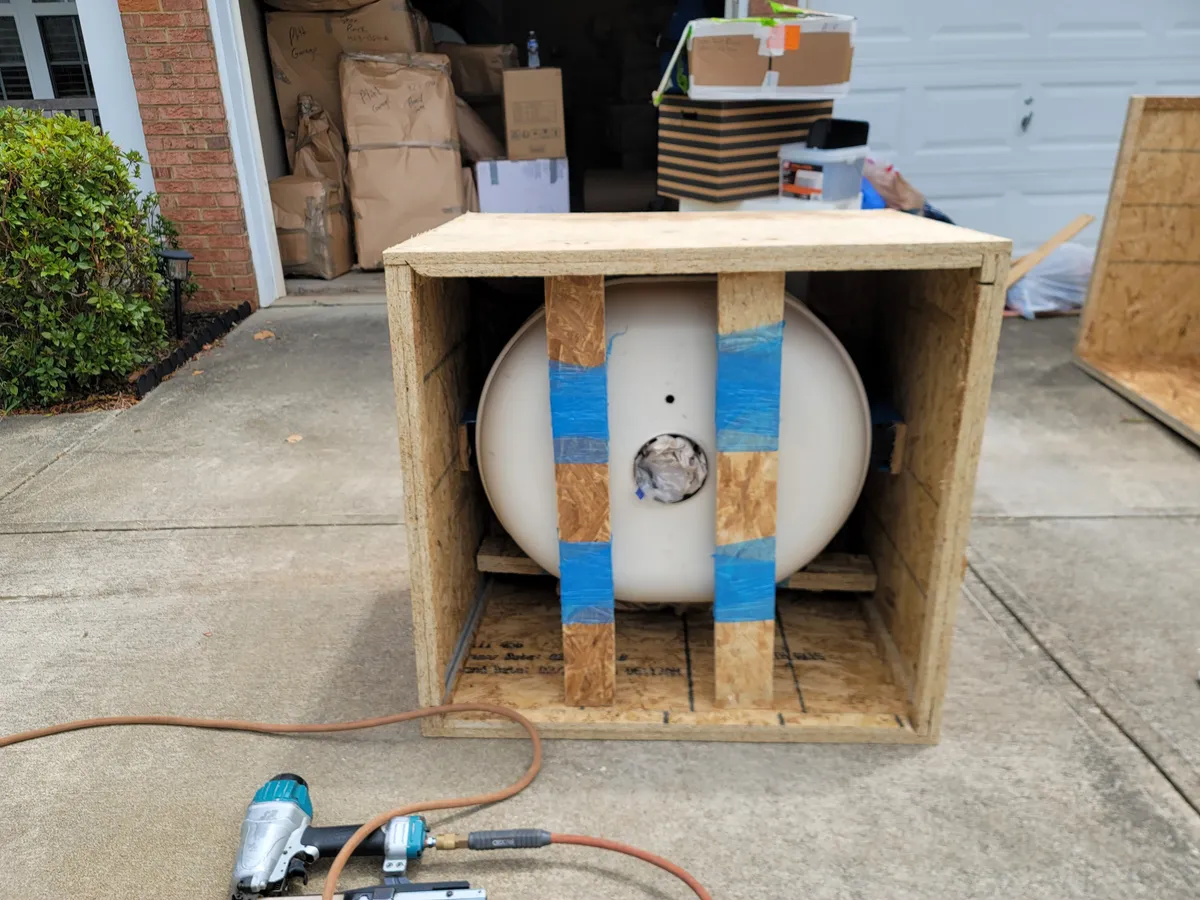
Step 3
Pad and protect every face that touches wood
Step 4
Sheathe, mark and stage it for the carrier
How a custom crate differs from a moving company's blanket wrap
A blanket and a strap stop scuffs. They do not stop shock, they do not stop compression from whatever gets stacked on top, and they do nothing at all for a marble top or a pane of antique glass that flexes.
A crate is structural. The load path goes through the frame, not through your piece. Internal blocking holds the item off every wall of the box so nothing rests on a carved edge or a gilded corner, and the sheathing takes the hit from a forklift, a tailgate or the next crate in the truck.
That is the difference that matters on a long haul, in storage, or on anything you cannot replace.
On-site crating vs building at the shop
On site is usually the right answer for anything heavy, awkward or already in position - a piano, a large mirror still on the wall, a marble table that should be moved exactly once. We bring the lumber, the saw and the sawhorses, measure the piece where it stands and build around it.
Shop-built is better when the piece is small enough to travel safely to us and the crate is complex, or when there is nowhere clean and dry at your address to cut. We build it here and deliver it.
Either way you get the same crate. We will tell you which one your piece calls for when we look at it.
What gets crated
Framed art and canvases, gallery pieces, oversized and heavy mirrors, antiques and case furniture, grandfather clocks, upright and grand pianos, sculpture, marble and stone tops, chandeliers being shipped rather than installed, large-format televisions, motorcycles, machinery and one-off items that do not fit any category.
If it is fragile, valuable or shaped wrong for a carton, it is a crating job.
Domestic and international shipping standards
Our techs work to current protocols for both domestic and international shipment. For anything crossing a border, the wood packaging itself is regulated - ISPM 15 requires that solid wood packing material be heat treated and stamped, and untreated wood gets a shipment refused at the port.
Tell us up front where the piece is going. It changes the material we build with, and it is a far easier conversation to have before the crate exists than after.
Questions
Custom On-Site Crating FAQ
What is custom crating?
It is a wooden crate measured, cut and built around one specific item, with the inside blocked and braced so the piece cannot move. Unlike a stock box, nothing about it is a compromise - the crate fits the piece rather than the piece having to fit the crate.
What can you crate?
Artwork, mirrors, antiques, marble and stone tops, pianos, grandfather clocks, sculpture, large televisions, electronics, motorcycles, machinery and plenty of things that do not fit a category. If it fits, we can crate it.
How is a crate different from a moving company wrapping it in blankets?
A blanket stops scuffs. A crate is structural - the frame carries the load and the internal blocking holds your piece off every wall of the box, so nothing rests on a carved edge and nothing stacked on top reaches it. For anything fragile or irreplaceable that is the difference.
Do you build on site or at your shop?
Both. On site is usually right for anything heavy, awkward or already in position. Shop-built is better for smaller pieces with complex crates. We will tell you which one yours calls for.
How long does a custom crate take?
Most are built within a day. Complex or oversized pieces take longer, and we will tell you which yours is before we start.
Do you pack the inside too?
Yes. Packing and blocking the interior is most of the work - a strong box around a loose item does not protect anything.
Can you crate something going overseas?
Yes, and tell us up front. International shipments are subject to ISPM 15, which requires solid wood packaging to be heat treated and stamped. Untreated wood gets refused at the port, so it changes what we build with.
Are the crates reusable?
A large percentage of them are, whether that is for storage or a return trip later.
Where we do this work
- Gaffney, SC
- Charlotte, NC
- Greenville, SC
- Spartanburg, SC
- Rock Hill, SC
- Gastonia, NC
- Fort Mill, SC
- Tega Cay, SC
- Huntersville, NC
- Waxhaw, NC
- Simpsonville, SC
- Greer, SC
Other services
Fine Art, Gallery Walls & Heavy Mirrors
Gallery walls, oversized pieces and heavy mirrors - including the twenty-foot stairwell nobody else will touch.
DetailsTV Mounting & Removal
Laser-leveled to within a sixteenth of an inch, on any surface - including above the fireplace.
DetailsHome Gym & Fitness Equipment
Peloton, racks, cable machines and full multi-station gyms - built to spec and load-checked before we leave.
Details